
Why Trails?
Trails are vital community infrastructure, connecting people to nature, opportunity, and one another while supporting healthier, more vibrant, and resilient communities.
Health Benefits
Trails are one of the simplest and most effective tools communities can use to improve public health. By providing safe, accessible places to walk, run, and bike, trails make physical activity part of everyday life rather than something that requires a gym membership or structured workout time. Research consistently shows that people who live near trails are more likely to meet recommended activity levels, which lowers the risk of heart disease, diabetes, obesity, and high blood pressure. Because trails accommodate all ages and abilities, they support lifelong movement—from children developing healthy habits to older adults maintaining mobility and balance.
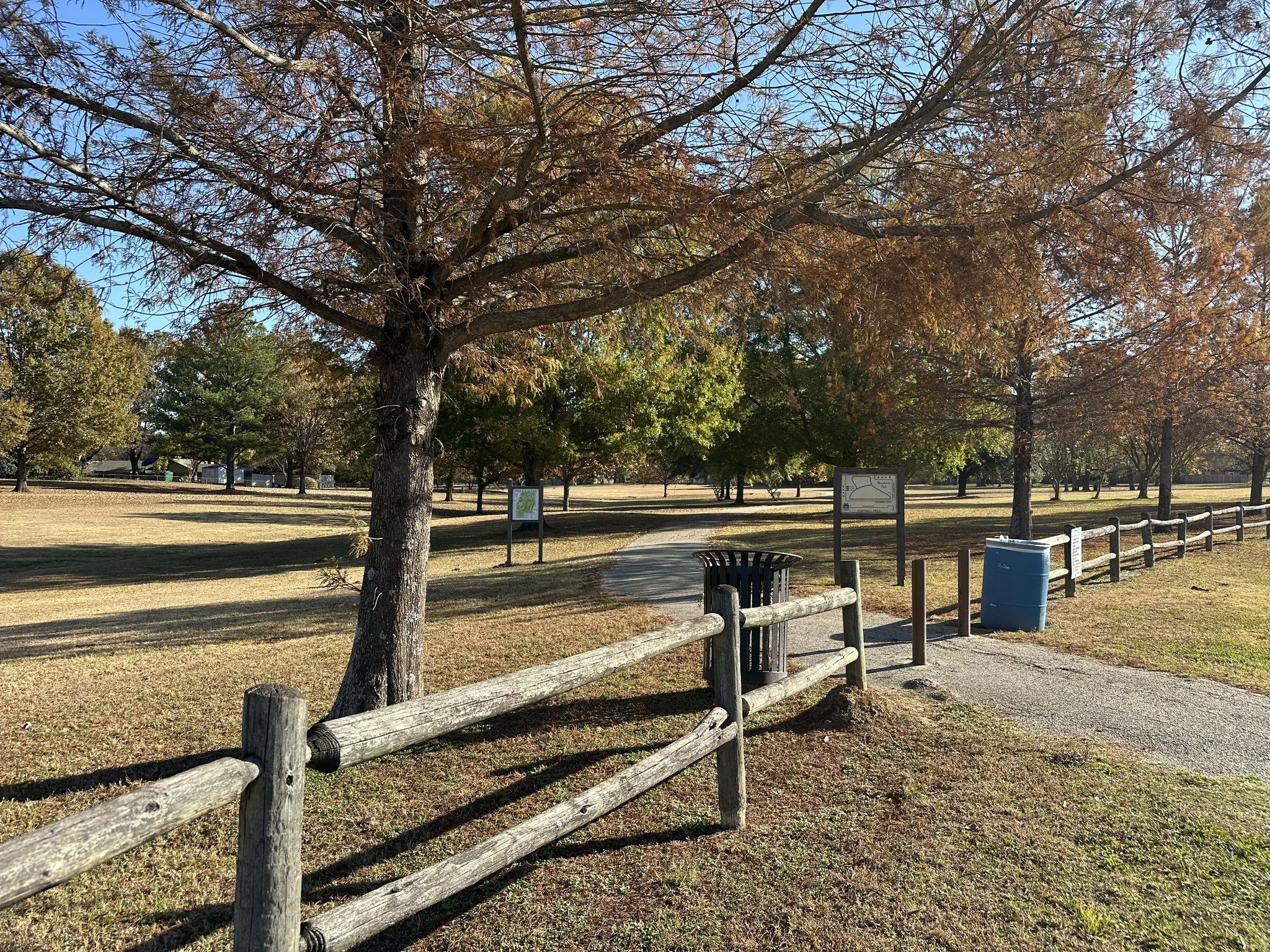
Beyond physical fitness, trails play a powerful role in mental and emotional wellbeing. Time spent outdoors reduces stress, anxiety, and symptoms of depression while improving mood and cognitive function. Green spaces along trails encourage social interaction, which strengthens community ties and reduces feelings of isolation—an important factor in overall health. Access to nature, fresh air, and safe places to move contributes to healthier sleep patterns and improved quality of life. In this way, trails are not just recreational amenities; they are essential infrastructure that supports healthier, more connected, and more resilient communities.
Economic Benefits
Trails are increasingly recognized as catalysts for economic development because they make communities more attractive places to live, work, and invest. Proximity to well-designed trail systems has been shown to increase property values and spur private investment, as people are willing to pay more to live near safe, attractive places for outdoor recreation and active transportation. Businesses benefit from increased foot and bike traffic, especially in areas where trails connect to downtown districts, parks, and commercial corridors. Restaurants, outfitters, lodging, and retail shops often cluster near trail access points, generating new jobs and expanding the local tax base.
Beyond tourism and retail activity, trails strengthen long-term economic competitiveness by improving quality of life. Companies increasingly consider livability, health, and outdoor access when deciding where to locate or expand, and trail networks signal a community’s commitment to wellness, connectivity, and placemaking. Trails also support workforce mobility by providing affordable transportation options, helping residents access jobs, schools, and services without relying solely on a car. By attracting visitors, supporting small businesses, and enhancing community vitality, trails function not just as recreational amenities but as strategic infrastructure that fuels sustainable economic growth.
Environmental Benefits
Transportation Benefits
Trails play an important role in reducing carbon emissions by providing safe, convenient alternatives to driving. When residents can bike to work, walk to nearby shops, or access parks and schools without using a car, vehicle miles traveled decrease — lowering greenhouse gas emissions and improving local air quality. Even short trips shifted from car to foot or bicycle can have a meaningful cumulative impact. By linking neighborhoods to daily destinations, trails make low-carbon transportation practical and appealing, helping communities move toward a cleaner, more resilient future.
Beyond transportation benefits, many trail corridors create opportunities to restore and protect natural habitats. Greenways often follow waterways, rail corridors, and undeveloped land, allowing native trees, grasses, and wetlands to be replanted and protected. Thoughtful trail design can stabilize streambanks, improve stormwater absorption, and create habitat for birds, pollinators, and other wildlife. These restored natural spaces not only strengthen ecological health but also give residents everyday access to the landscapes that make the River Region unique.
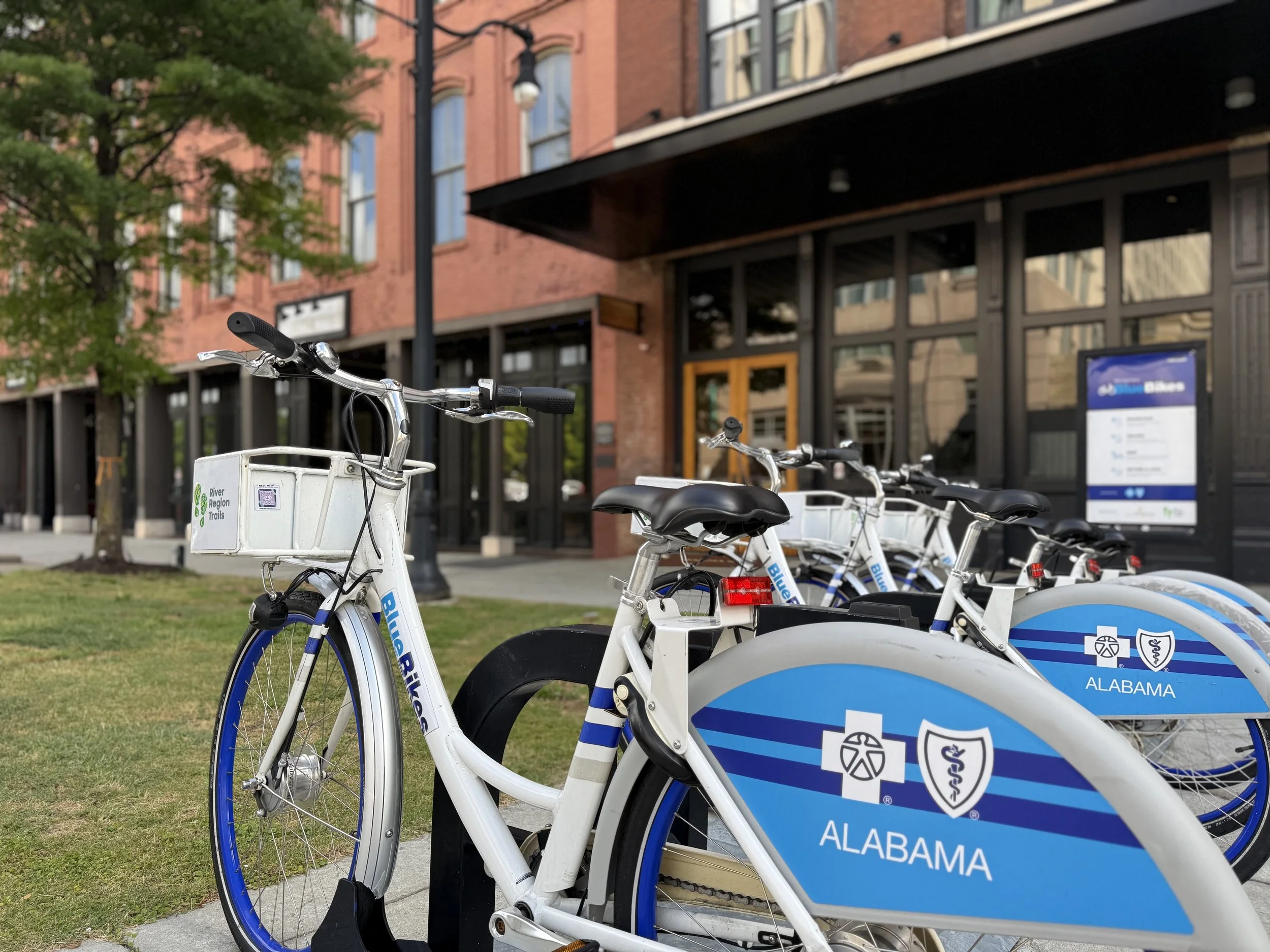
Trails function as practical transportation corridors that expand mobility options for people of all ages and incomes. When connected to neighborhoods, schools, parks, and employment centers, multiuse trails allow residents to walk or bike safely to everyday destinations without relying on a car. This is especially important for youth, older adults, and households without reliable vehicle access. By providing separated, low-stress routes away from traffic, trails improve safety for pedestrians and cyclists while helping communities build more complete and inclusive transportation networks.
In addition to improving access, trails help reduce congestion and transportation costs while supporting more efficient travel. Short trips—such as getting to school, running errands, or commuting a few miles to work—can shift from car travel to walking or biking when safe routes exist. This reduces wear on roadways, lowers household transportation expenses, and decreases traffic volume during peak hours. When integrated with sidewalks, bike lanes, and transit stops, trail systems strengthen regional connectivity and make it easier for residents to reach jobs, services, and recreation. In this way, trails serve not only as recreational amenities but as essential infrastructure that supports safer, more affordable, and more efficient mobility.
Our Economic Impact Report, completed in 2021, provides a valuable snapshot of the projected benefits of trail development across the River Region. While inflation and recent growth likely mean the report underestimates today’s true impact, it remains a helpful resource for understanding the significant potential trails bring to our community.